Kidney Stone Treatment in Nagpur
What are Kidney Stones?
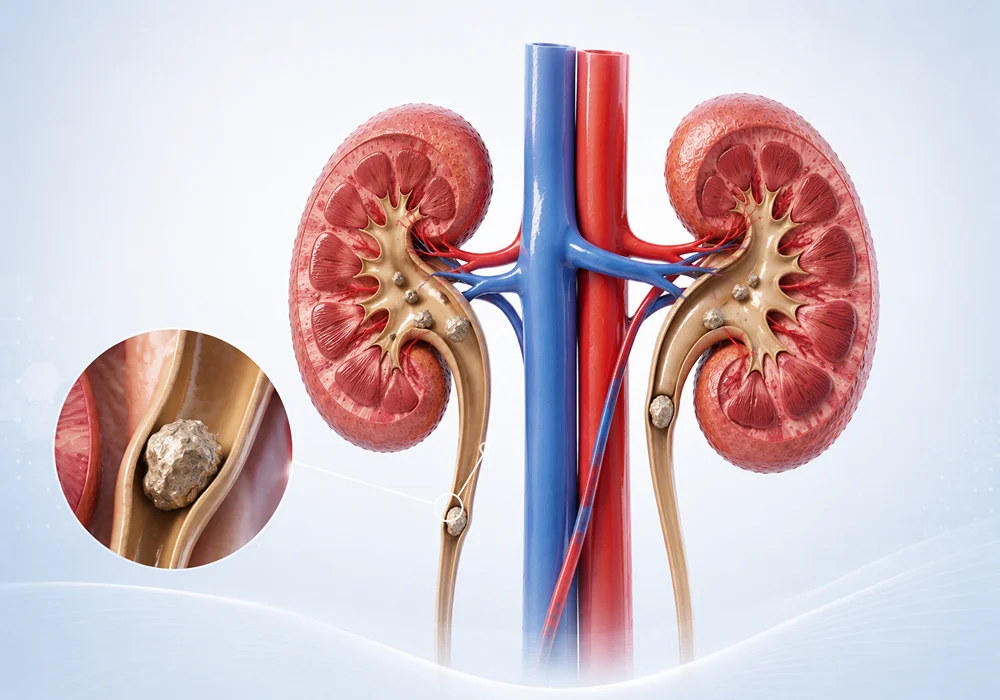
Kidney Stones are hard mineral and salt deposits that develop inside the kidneys when certain substances in the urine become highly concentrated and form crystals. These crystals gradually combine to form stones of varying sizes, which may remain in the kidney or travel through the urinary tract.
Small kidney stones may pass naturally through urine with minimal discomfort, while larger stones can block the flow of urine, causing severe pain and increasing the risk of infection or kidney damage. Without timely evaluation and appropriate Kidney Stone Treatment, complications such as Acute Kidney Injury, urinary tract obstruction, or even Kidney Failure may occur in severe cases.
Although kidney stones can affect anyone, they are more common in people with dehydration, poor dietary habits, obesity, certain metabolic disorders, or a family history of stone disease. Early diagnosis helps identify the type of stone and allows personalized treatment to prevent future stone formation.
Recognizing the Signs of Kidney Stones
The symptoms of Kidney Stones depend on their size, location, and whether they obstruct the urinary tract. While small stones may not cause noticeable symptoms, larger stones often produce sudden and intense pain that requires immediate medical attention.
Early Symptoms of Kidney Stones
Small kidney stones may cause mild discomfort or no symptoms until they begin moving within the urinary tract. As the stone travels, patients may experience intermittent back pain, discomfort while urinating, increased urinary frequency, or blood in the urine (Hematuria). These symptoms should be evaluated promptly to prevent complications.
Symptoms That Require Immediate Medical Care
When a kidney stone blocks urine flow or causes infection, symptoms usually become more severe. Persistent pain accompanied by fever, vomiting, or difficulty passing urine requires urgent medical evaluation.
Common symptoms include:
- Severe pain in the back, side, or lower abdomen
- Pain that spreads towards the groin
- Blood in the urine
- Burning sensation while urinating
- Frequent urge to urinate
- Cloudy or foul-smelling urine
- Nausea and vomiting
- Fever and chills (if infection is present)
- Difficulty passing urine
Prompt evaluation can help prevent urinary obstruction, kidney infection, and permanent kidney damage.
Causes of Kidney Stones
Understanding the causes of Kidney Stones is important because treatment not only focuses on removing existing stones but also on preventing them from recurring. Kidney stones form when urine contains excessive amounts of minerals and salts that crystallize inside the kidneys.
Why Do Kidney Stones Develop?
Several factors contribute to stone formation. One of the most common causes is dehydration, which reduces urine volume and increases the concentration of stone-forming minerals. Diets high in salt, excessive animal protein, and foods rich in oxalates may also increase the risk.
Certain medical conditions, including recurrent urinary tract infections, gout, obesity, digestive disorders, and metabolic abnormalities, can further increase the likelihood of developing kidney stones. Individuals with a family history of kidney stones are also more likely to experience recurrent stone disease.
Who is More Likely to Develop Kidney Stones?
Anyone can develop kidney stones, but certain health conditions and lifestyle habits increase the risk.
People at higher risk include those with:
- Low daily water intake
- Previous kidney stones
- Family history of kidney stones
- Obesity
- Diabetes
- High blood pressure
- High-sodium diet
- High-protein diet
- Recurrent urinary tract infections
- Certain metabolic disorders
Understanding these risk factors helps identify patients who may benefit from preventive kidney care and regular follow-up.
How are Kidney Stones Diagnosed?
Accurate diagnosis helps determine the size, location, and type of kidney stone while identifying any complications affecting kidney function. Your nephrologist will review your symptoms, medical history, and risk factors before recommending appropriate investigations.
Laboratory Evaluation
Blood tests help assess kidney function, detect infection, and identify abnormalities in calcium, uric acid, and other minerals that contribute to stone formation. Urine analysis can detect blood in urine, infection, crystals, and other indicators that help diagnose kidney stones.
Patients with recurrent stones may require additional metabolic evaluation to determine the underlying cause and reduce the risk of future stone formation.
Imaging for Kidney Stones
Imaging plays an important role in confirming the diagnosis and planning treatment. Kidney ultrasound is commonly used to identify stones and assess kidney swelling. In some cases, a CT KUB (Computed Tomography of the Kidneys, Ureters, and Bladder) provides detailed information about the stone’s size, number, and location, helping determine the most appropriate Kidney Stone Treatment.
Imaging also helps identify complications such as urinary obstruction or Hydronephrosis, allowing timely intervention before kidney function is affected.
Protect Your Kidneys from Future Kidney Stones
Preventing Kidney Stones is often easier than treating recurrent episodes. Simple lifestyle changes combined with regular kidney health assessments can significantly reduce the risk of future stone formation and help preserve long-term kidney function.
Healthy Habits That Lower Your Risk
Adopting healthy daily habits plays an important role in preventing kidney stones and supporting overall kidney health.
Some practical measures include:
- Drink 2–3 liters of water daily unless medically advised otherwise
- Reduce excess salt in your diet
- Maintain a healthy body weight
- Eat a balanced diet rich in fruits and vegetables
- Avoid excessive intake of sugary drinks
- Limit high-oxalate foods when recommended
- Stay physically active
- Follow your doctor's dietary advice after stone analysis
- Schedule regular kidney health check-ups if you've had previous kidney stones
Early intervention helps reduce the risk of urinary obstruction, kidney infections, and permanent kidney damage.

Why Choose Dr. Pankaj Jawandhiya?
Receive expert Kidney Stone Treatment in Nagpur from Dr. Pankaj Jawandhiya, Consultant Nephrologist & Renal Transplant Physician. With extensive experience in diagnosing and managing kidney disorders, he provides personalized, evidence-based care focused on relieving symptoms, protecting kidney function, and preventing stone recurrence.
Why Patients Trust Dr. Pankaj Jawandhiya
- Consultant Nephrologist & Renal Transplant Physician
- Clinical Fellowship – The Ottawa Hospital, Canada
- Expertise in Kidney Stones and Complex Kidney Disorders
- Personalized, Evidence-Based Treatment Plans
- Comprehensive Kidney Health Evaluation
- Long-Term Preventive Kidney Care
- Patient-Centered Approach with Ongoing Follow-up
Frequently Asked Questions
What are Kidney Stones?
Kidney Stones are hard deposits made of minerals and salts that form inside the kidneys when urine becomes highly concentrated. They can vary in size and may cause pain if they move into the urinary tract.
What are the common symptoms of Kidney Stones?
Common symptoms include severe flank pain, blood in the urine, burning while urinating, nausea, vomiting, frequent urination, and pain that radiates towards the groin. Fever and chills may indicate an associated infection requiring urgent medical care.
What causes Kidney Stones?
The most common causes of Kidney Stones include dehydration, excessive salt intake, obesity, high animal protein consumption, certain metabolic disorders, recurrent urinary tract infections, and a family history of kidney stones.
Can Kidney Stones be treated without surgery?
Yes. Many small kidney stones can pass naturally with increased fluid intake, medications, and pain management. Larger stones or stones causing obstruction may require procedures such as ESWL, URS, RIRS, or PCNL.
Can Kidney Stones come back after treatment?
Yes. Individuals who have had kidney stones are at a higher risk of recurrence. Drinking enough water, following dietary recommendations, and addressing underlying metabolic conditions can significantly reduce the chances of developing new stones.