
Electrolyte Disorders Treatment in Nagpur
What are Electrolyte Disorders?
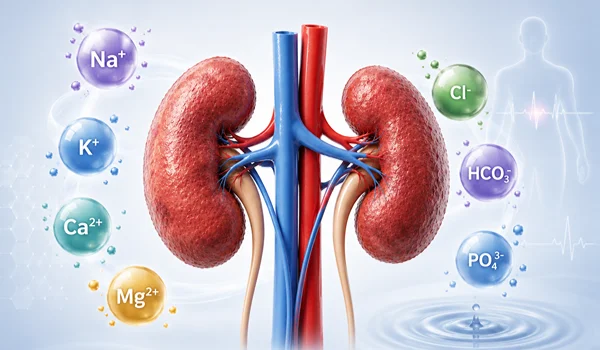
Electrolyte Disorders occur when the levels of essential minerals in the body become too high or too low, disrupting normal body functions. Electrolytes such as sodium, potassium, calcium, magnesium, phosphate, chloride, and bicarbonate help regulate fluid balance, nerve function, muscle contractions, heart rhythm, and acid-base balance. The kidneys play a vital role in maintaining the correct balance of these electrolytes by filtering excess minerals and conserving those the body needs.
When kidney function is affected by conditions such as Chronic Kidney Disease (CKD) or Acute Kidney Injury (AKI), electrolyte levels can become abnormal, increasing the risk of serious health complications. Electrolyte disorders may also develop due to dehydration, severe infections, prolonged vomiting or diarrhea, hormonal disorders, certain medications, or uncontrolled diabetes.
Electrolyte Disorders Symptoms
The Electrolyte Disorders Symptoms depend on which electrolyte is affected and how severe the imbalance is. Mild abnormalities may not cause obvious symptoms, while severe electrolyte disturbances can affect the heart, muscles, nervous system, and kidneys.
Early Symptoms of Electrolyte Disorders
Early symptoms are often mild and may resemble dehydration or general fatigue. Common warning signs include muscle cramps, weakness, increased thirst, dry mouth, mild dizziness, headache, nausea, tingling in the hands or feet, and changes in energy levels. These symptoms should not be ignored, especially in individuals with kidney disease, diabetes, or prolonged fluid loss.
Symptoms of Severe Electrolyte Disorders
As the imbalance becomes more significant, symptoms may become severe and require immediate medical care. These may include:
- Irregular heartbeat (Arrhythmia)
- Severe muscle weakness
- Muscle spasms or twitching
- Persistent vomiting
- Swelling due to fluid imbalance
- Confusion or difficulty concentrating
- Seizures
- Shortness of breath
- Reduced urine output
- Loss of consciousness in severe cases
Early consultation with a nephrologist can help identify the underlying electrolyte abnormality and begin appropriate treatment before complications develop.
Causes & Risk Factors of Electrolyte Disorders
Causes of Electrolyte Disorders vary depending on the affected electrolyte, but most occur when the body loses excessive fluids, the kidneys are unable to regulate electrolyte levels properly, or certain medical conditions interfere with normal electrolyte balance. Identifying the underlying cause is essential for successful treatment and preventing recurrence.
Medical Conditions That Can Lead to Electrolyte Disorders
One of the most common causes of electrolyte disorders is Chronic Kidney Disease, where the kidneys gradually lose their ability to regulate sodium, potassium, calcium, phosphate, and other electrolytes. Acute Kidney Injury, uncontrolled diabetes, heart failure, liver disease, and endocrine disorders can also disturb electrolyte balance. In addition, prolonged vomiting, diarrhea, severe dehydration, excessive sweating, and certain medications such as diuretics may lead to electrolyte abnormalities requiring medical treatment.
Who is at Higher Risk?
Some individuals are more likely to develop electrolyte disorders than others. The risk is higher in people with chronic kidney disease, acute kidney injury, diabetes, hypertension, heart disease, liver disease, or those undergoing dialysis. Older adults, patients taking diuretics, and individuals experiencing prolonged vomiting, diarrhea, or dehydration are also at increased risk.
If you belong to one of these high-risk groups, regular blood tests and consultation with a nephrologist can help detect electrolyte imbalances early and prevent serious complications.
How are Electrolyte Disorders Diagnosed?
Early diagnosis is essential to identify the specific electrolyte imbalance, determine its underlying cause, and begin appropriate treatment before complications develop. A nephrologist evaluates your symptoms, medical history, kidney function, medications, and fluid status before recommending suitable investigations.
Blood Tests & Kidney Function Assessment
Blood tests are the primary method for diagnosing electrolyte disorders. They measure important electrolytes such as sodium, potassium, calcium, magnesium, phosphate, chloride, and bicarbonate, while kidney function tests including Serum Creatinine, Estimated Glomerular Filtration Rate (eGFR), and Blood Urea Nitrogen (BUN) help determine whether kidney disease is contributing to the electrolyte imbalance. Urine tests may also be performed to assess kidney function and identify excessive electrolyte loss.
Imaging & Additional Evaluation
Depending on the suspected cause, additional investigations such as a Kidney Ultrasound, Electrocardiogram (ECG) for potassium abnormalities, blood glucose testing, hormonal evaluation, or fluid balance assessment may be recommended. These investigations help identify the underlying condition and guide the most appropriate treatment plan.
Accurate diagnosis enables timely treatment, helping restore electrolyte balance while protecting kidney function and overall health.
Electrolyte Disorders Treatment
The primary goal of Electrolyte Disorders Treatment is to restore normal electrolyte levels, treat the underlying cause, and prevent serious complications affecting the kidneys, heart, muscles, and nervous system. Treatment is individualized based on the type of electrolyte imbalance, its severity, kidney function, and the patient’s overall health.
Treating the Underlying Cause
Successful treatment begins by identifying and managing the condition responsible for the electrolyte imbalance. This may include treating Chronic Kidney Disease, Acute Kidney Injury, uncontrolled diabetes, dehydration, infections, or hormonal disorders. Your nephrologist will also review medications that may be contributing to the imbalance and recommend appropriate adjustments when necessary.
Medical Management & Electrolyte Replacement
Treatment may include oral or intravenous electrolyte replacement, fluid therapy, dietary modifications, medications to regulate sodium or potassium levels, and careful monitoring of kidney function. Patients with kidney disease may require specialized dietary advice and medication adjustments to maintain safe electrolyte levels while preventing further kidney damage.
Advanced Kidney Care
If electrolyte disorders occur due to advanced kidney disease or severe kidney failure, treatments such as Dialysis may be required to remove excess electrolytes and restore the body’s chemical balance. Early consultation with a nephrologist helps patients receive timely treatment and avoid potentially life-threatening complications.
Tips to Prevent Electrolyte Disorders
Although not all Electrolyte Disorders can be prevented, maintaining healthy kidneys and addressing the underlying causes can significantly reduce the risk of electrolyte imbalances. Regular monitoring, proper hydration, and timely medical care are especially important for individuals with Chronic Kidney Disease (CKD), Acute Kidney Injury (AKI), diabetes, or high blood pressure.
Maintain Healthy Electrolyte Balance
Following healthy lifestyle habits and your doctor’s treatment plan can help maintain normal electrolyte levels and reduce the risk of complications. Some of the most effective ways to protect your kidney and electrolyte health include:
- Stay well-hydrated unless your doctor recommends fluid restriction.
- Follow a kidney-friendly and balanced diet based on your medical condition.
- Manage diabetes and high blood pressure effectively.
- Avoid self-medicating with diuretics or electrolyte supplements.
- Take prescribed medications exactly as directed.
- Limit excessive salt intake and processed foods.
- Seek prompt treatment for prolonged vomiting, diarrhea, or dehydration.
- Schedule regular kidney function and electrolyte blood tests.
- Consult a nephrologist if you have persistent electrolyte abnormalities or kidney disease.
Regular follow-up helps detect electrolyte imbalances early, allowing timely treatment before serious complications develop.

Why Choose Dr. Pankaj Jawandhiya?
Receive expert Electrolyte Disorders Treatment in Nagpur from Dr. Pankaj Jawandhiya, Consultant Kidney Specialist. With international clinical training and extensive experience in managing kidney-related electrolyte disorders, he provides evidence-based, personalized care focused on restoring electrolyte balance, protecting kidney function, and improving long-term health outcomes.
Why Patients Trust Dr. Pankaj Jawandhiya
- Consultant Nephrologist & Renal Transplant Physician
- Clinical Fellowship – The Ottawa Hospital, Canada
- Expertise in Electrolyte Disorders, CKD, AKI & Dialysis Care
- Personalized, Evidence-Based Treatment Plans
- Advanced Kidney Function Assessment
- Comprehensive Long-Term Kidney Care
Frequently Asked Questions
What are Electrolyte Disorders?
Electrolyte Disorders occur when the levels of essential minerals such as sodium, potassium, calcium, magnesium, or phosphate become too high or too low. These imbalances can affect nerve function, muscle activity, heart rhythm, fluid balance, and kidney function.
What are the common Electrolyte Disorders Symptoms?
Common Electrolyte Disorders Symptoms include muscle cramps, weakness, fatigue, nausea, dizziness, tingling sensations, irregular heartbeat, confusion, swelling, and, in severe cases, seizures or loss of consciousness. The symptoms vary depending on the type and severity of the electrolyte imbalance.
What are the causes of Electrolyte Disorders?
The causes of Electrolyte Disorders include Chronic Kidney Disease, Acute Kidney Injury, dehydration, prolonged vomiting or diarrhea, uncontrolled diabetes, hormonal disorders, heart failure, liver disease, certain medications, and excessive fluid loss. Proper diagnosis helps identify the underlying cause and guide treatment.
How are Electrolyte Disorders diagnosed?
Diagnosis involves blood tests to measure electrolyte levels, kidney function tests including Serum Creatinine and eGFR, urinalysis, and additional investigations such as an ECG, kidney ultrasound, or hormonal evaluation when clinically indicated.
Can Electrolyte Disorders be treated?
rs be treated?
Yes. Electrolyte Disorders Treatment depends on the affected electrolyte and its severity. Treatment may include electrolyte replacement, intravenous fluids, dietary modifications, medication adjustments, treatment of the underlying condition, and dialysis in severe kidney-related cases.
Expert Kidney Care
Expert Care for Electrolyte Disorders
Early diagnosis and appropriate treatment can help restore electrolyte balance, prevent complications, and protect your kidney health. Consult Dr. Pankaj Jawandhiya for expert evaluation and personalized treatment.